When Governor Biodun Abayomi Oyebanji took the oath of office in October 2022, he made a promise that many sports enthusiasts in Ekiti State had heard before but hoped would finally become reality.
“Sports will not be ‘play-play’ again in Ekiti,” he declared.
Nearly four years later, that pledge is taking shape in ways that are difficult to ignore.

From abandoned facilities brought back to life to improved welfare for athletes, grassroots talent development, and major investments in infrastructure, the Oyebanji administration has embarked on what many describe as a deliberate effort to reposition sports as a vehicle for youth empowerment, economic growth, and social development.
One of the administration’s first major steps was the creation of a fully-fledged Ekiti State Sports Commission, granting the sector a level of autonomy that stakeholders say has accelerated decision-making and improved administration.
The reform signaled a shift in approach. Sports was no longer to be managed as a routine government department but as a strategic sector with the potential to create opportunities and produce champions.
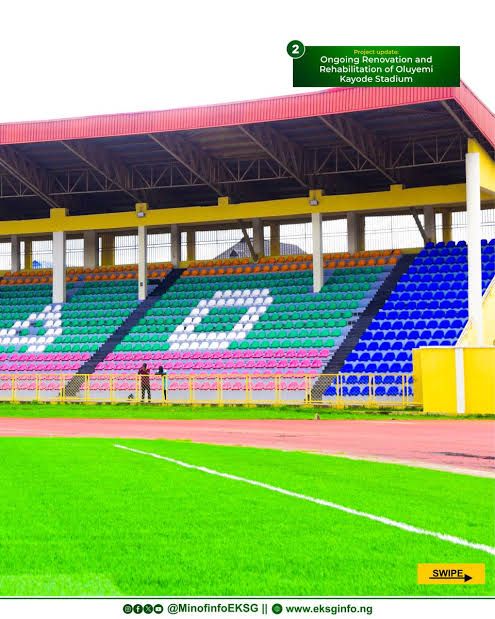
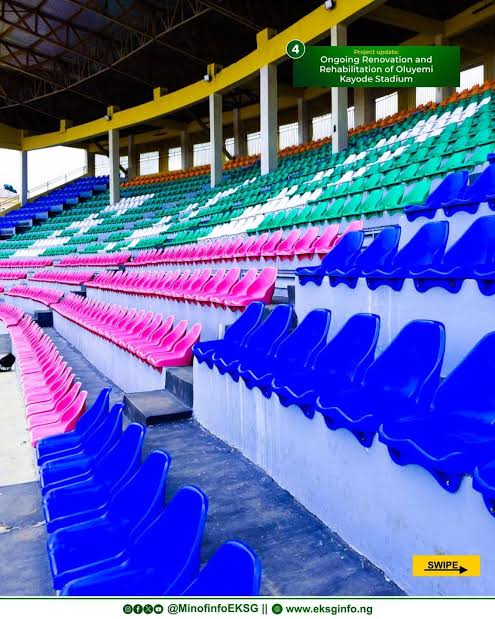
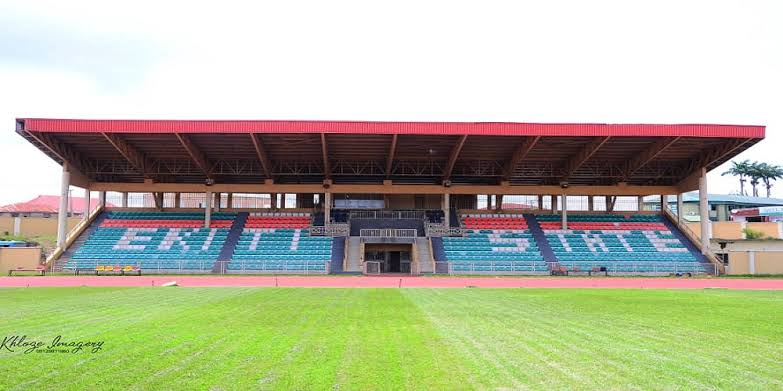
That commitment became even more visible through the extensive rehabilitation of the Oluyemi Kayode Stadium in Ado-Ekiti.

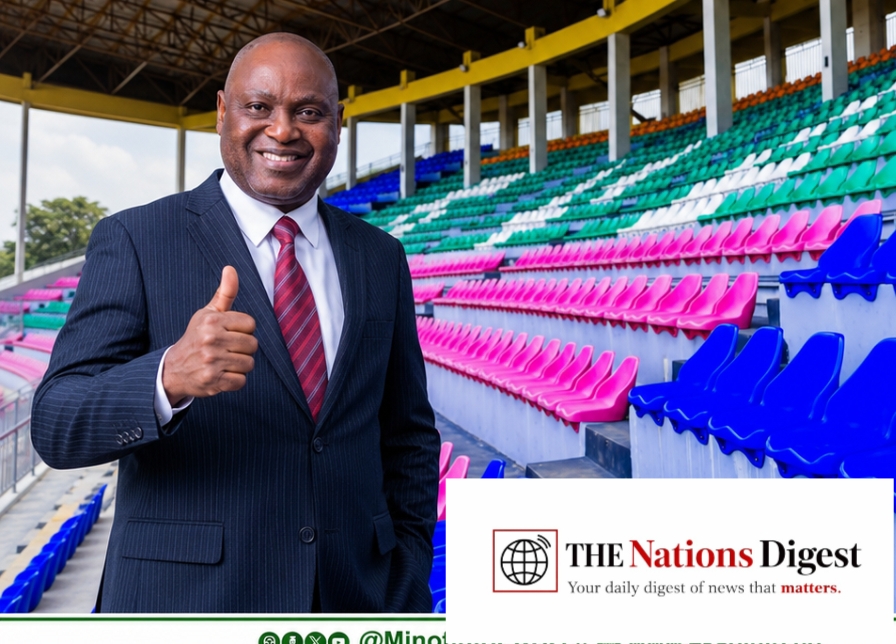
For years, the facility had suffered neglect, but today it boasts a FIFA-standard astroturf pitch imported from Italy, newly installed tartan tracks, upgraded spectator stands, renovated administrative buildings, and floodlights that now make night competitions possible.
At the Ekiti Parapo Pavilion, construction is ongoing on a 900-capacity Indoor Sports Hall expected to serve multiple sports, including basketball, volleyball, handball, boxing, gymnastics, judo, rugby, kickboxing, chess, and table tennis.
The project, valued at N7.6 billion, is widely regarded as one of the most ambitious sports infrastructure investments in the state’s history.
Beyond facilities, the administration has also focused on improving the welfare of athletes.
For many years, athletes and players struggled with irregular payments and poor support systems.
Under the current administration, monthly stipends, improved salaries, sports equipment, Christmas gifts, and transportation support have become part of the sports ecosystem.
The government has purchased two new coaster buses for athletes and sports teams while rehabilitating older vehicles to ease movement for competitions and training.
The impact of these investments is beginning to reflect in results.
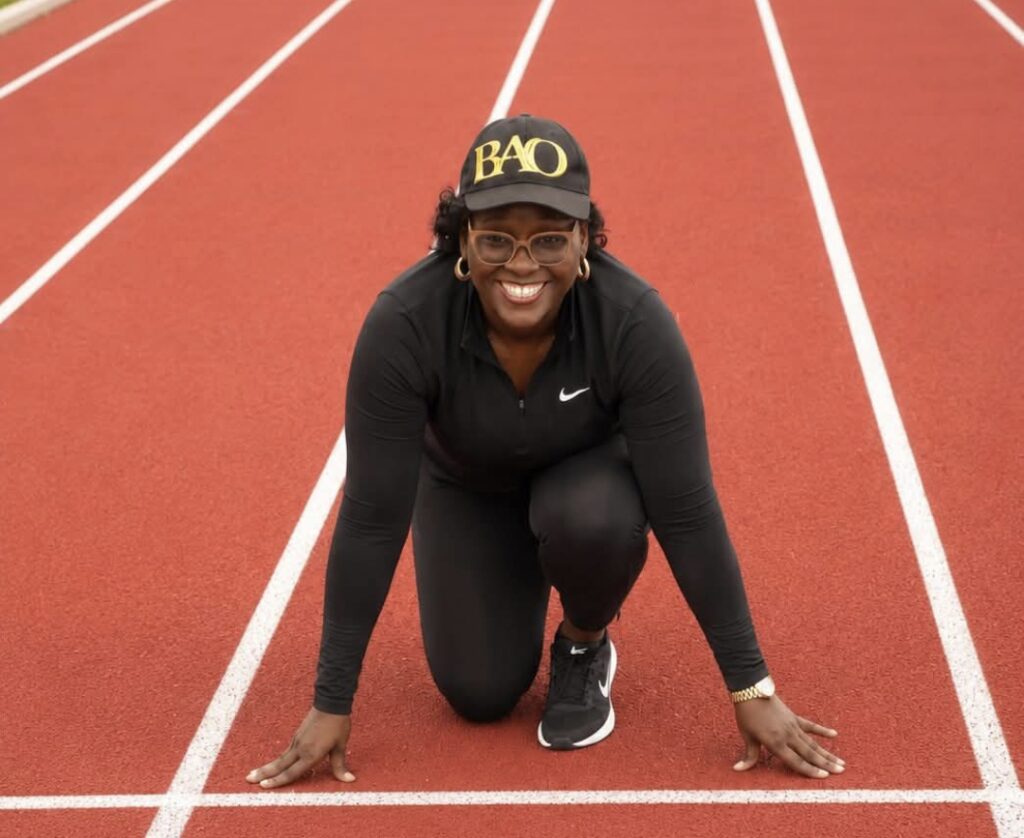
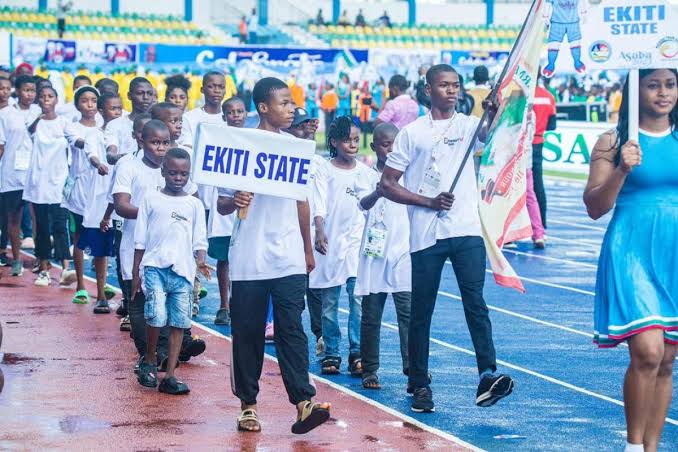
At the 9th National Youth Games in Asaba, Ekiti State recorded a historic breakthrough by winning its first-ever basketball gold medal.
The achievement was seen as validation of the state’s growing focus on grassroots sports development.
Leading much of that effort is the Technical Adviser on Sports Development, Dr. Olusola Osetoba, whose talent identification programmes have focused on discovering and nurturing young athletes through school competitions and structured development pathways.
According to sports officials, the emphasis has remained on developing homegrown talents rather than recruiting athletes from elsewhere.
The strategy is gradually yielding dividends.
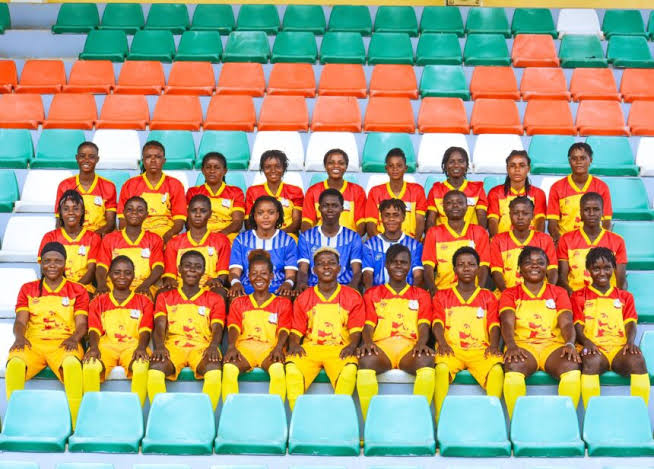
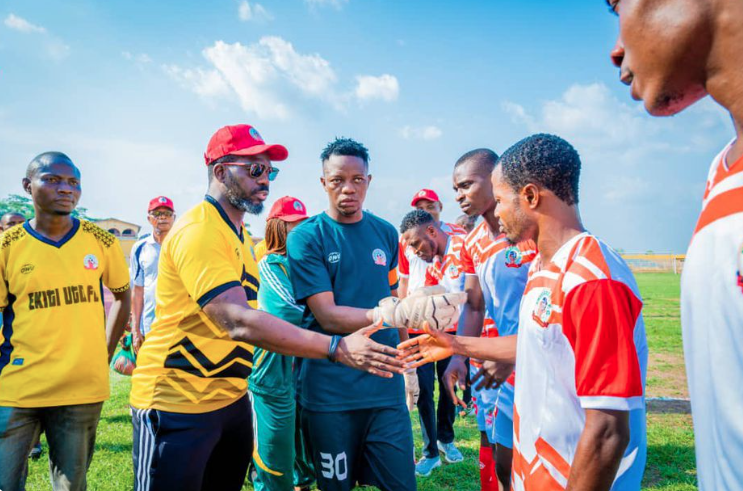
Ekiti United FC continues to compete in the Nigeria National League, while Ekiti Queens FC secured a fourth-place finish in the Nigeria Women Football League and now operates a feeder team to develop future stars..
The state’s female cricket team has also gained promotion to the national Super Eight category, while handball development continues to attract national recognition, with local coaches receiving invitations to national assignments.
Governor Oyebanji’s vision, however, extends beyond medals and trophies.
His administration sees sports as an economic asset capable of creating jobs and boosting tourism.
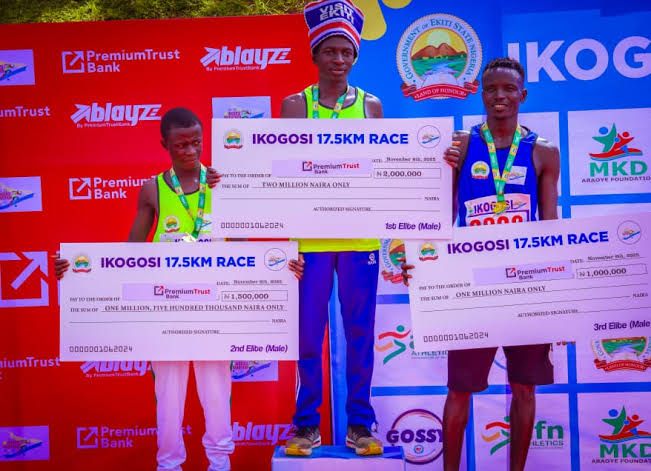
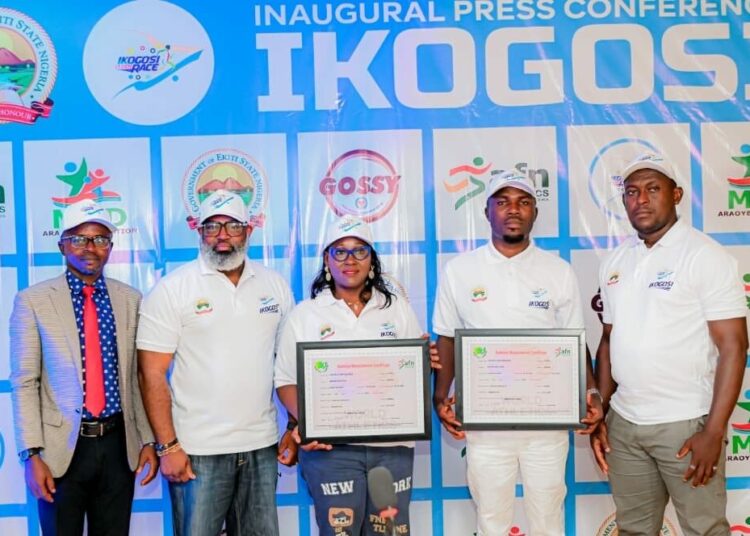
The annual Ikogosi 17.5-kilometre Road Race, which returns for its second edition on November 8, 2025, is designed to promote both athletics and tourism while attracting visitors to one of Ekiti’s most popular destinations..
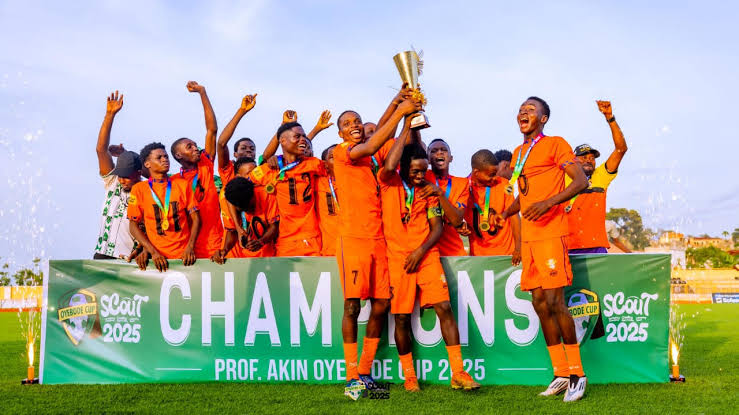
More than 500 young volunteers have already benefited from training opportunities linked to the event.
Similarly, the Prof. Akin Oyebode Football Tournament has continued to provide a structured platform for grassroots football development, offering young players exposure and opportunities to showcase their talents.
New sporting disciplines such as rugby are also being introduced to widen participation and create additional pathways for young people.
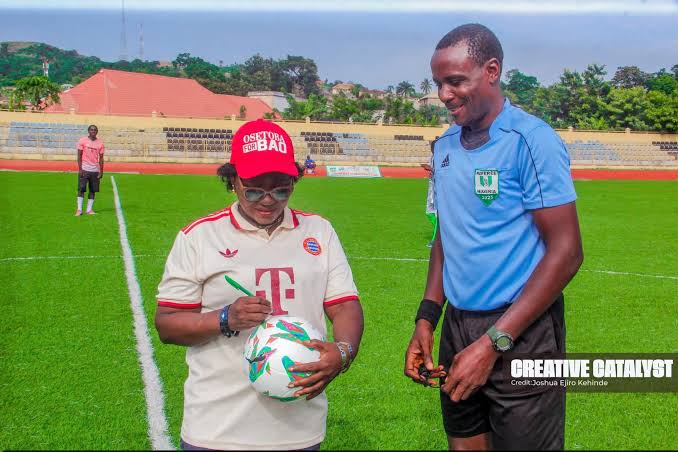
For Governor Oyebanji, the broader objective is clear.
Sports, he believes, can help tackle youth unemployment, reduce crime, and provide opportunities for personal advancement.
By engaging young people productively and creating avenues for talent development, the administration hopes to build a generation of athletes capable of competing on national and international stages.
As Ekiti’s sports sector continues to evolve, many observers believe the state is gradually moving from being a spectator in Nigerian sports to becoming a serious contender.
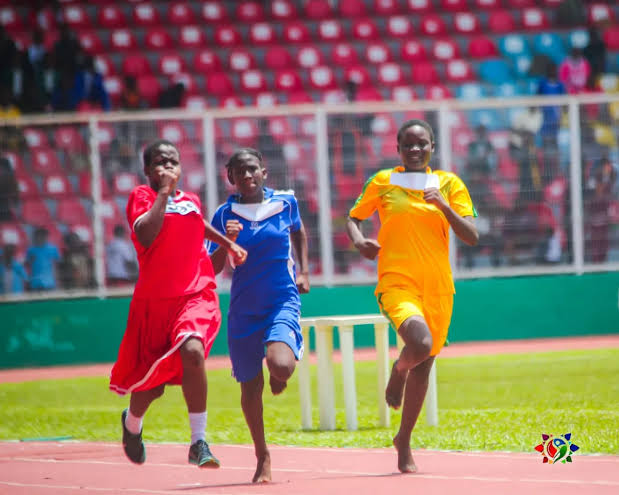
What began as a promise in October 2022 is increasingly becoming a story of transformation—one in which sports is no longer viewed merely as recreation, but as a tool for development, prosperity, and hope for the future.
By Segun Fadipe.
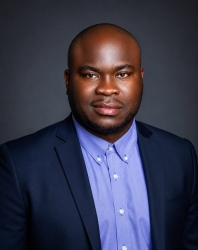
He also served as Deputy Editor at Sahara Reporters Sports and worked as Content Manager for the Nigeria Women Football League (NWFL), contributing significantly to sports journalism and digital content development in Nigeria.
Known for his strong storytelling ability and editorial expertise, Olayinka Olawole has covered a wide range of subjects, while also building a reputation in digital storytelling, audience engagement, and content optimisation for online and media platforms.
- Gov. Adeleke Moves to Attract Sports Industry Investment to Osun. - September 27, 2026
- World Cup Qualifiers: D’Tigers Show Fighting Spirit Against Cameroon as NBBF President Kida Backs Team for a Quick Rebound. - August 28, 2026
- Ace Sports Celebrates the Wife of the Governor of Osun State, Erelu Ngozi Abeni Adeleke, on Her Birthday. - August 28, 2026