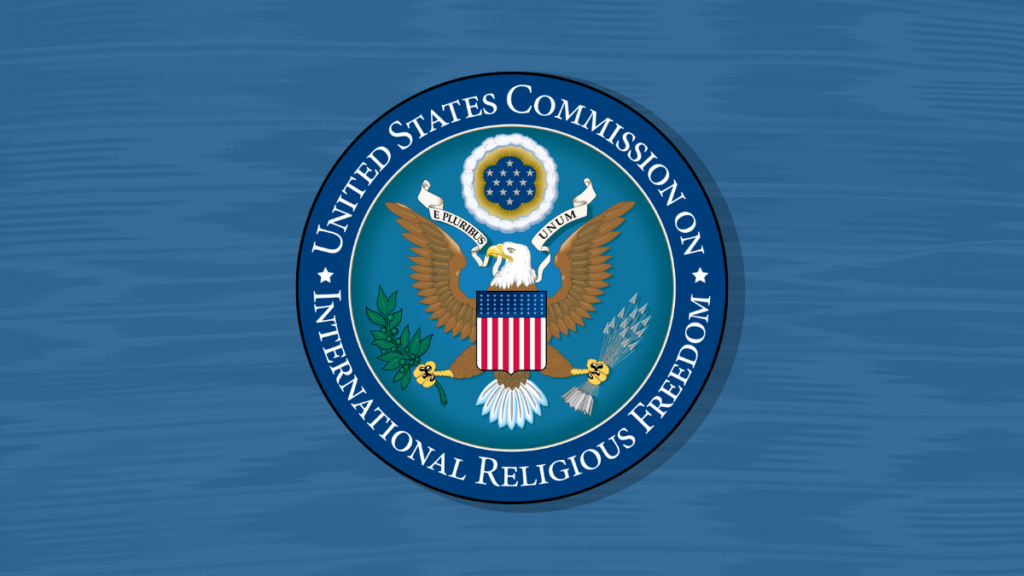
An estimated 30,000 armed Fulani militants are operating across Nigeria, fuelling insecurity and religious violence, according to a May 2026 report by the United States Commission on International Religious Freedom (USCIRF).
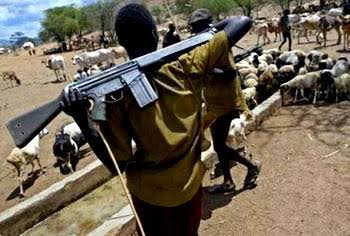
In the report titled “Nonstate Violators of Religious Freedom in Nigeria: Fulani Militants,” USCIRF described the groups as some of the deadliest non-state actors in the country, with attacks spreading across the Middle Belt and parts of Southern Nigeria.
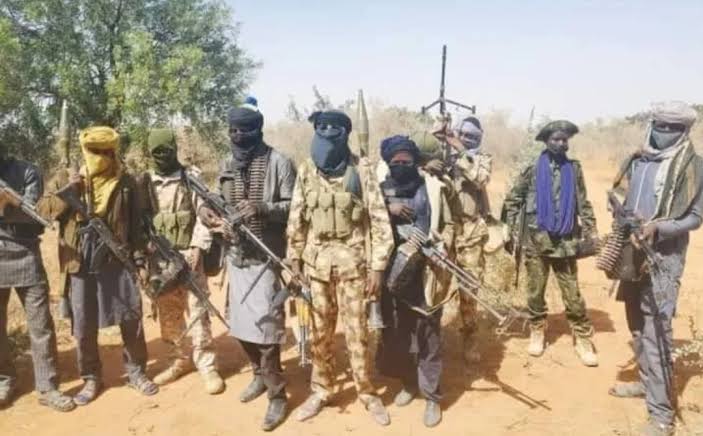
The commission said the militants, who operate in groups ranging from 10 to 1,000 members, were responsible for more deaths in the past year than insurgent groups and criminal gangs combined.
According to USCIRF, the attacks largely targeted Christian communities, although Muslim communities have also suffered killings, kidnappings and raids.
“Violence by Fulani militants caused the highest number of deaths among all religious communities in Nigeria over the last year,” the report stated.
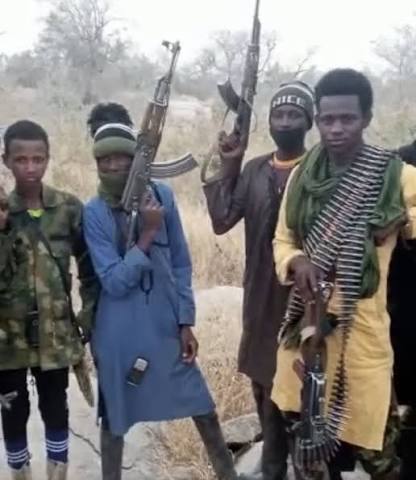
The report noted that while the militants lack a central leadership structure, some groups collaborate with bandits and extremist organisations.
USCIRF said the attackers often invade rural communities at night using motorcycles, automatic weapons and machetes, forcing residents to flee and allowing the groups to take control of land.
The commission added that violence linked to Fulani militants and other armed groups has displaced at least 1.3 million people across the Middle Belt.
The report highlighted several deadly incidents in 2025 and early 2026, including attacks in Benue, Plateau, Kaduna and Niger states.
It cited the Yelwata massacre in Benue State, where over 200 Christians were reportedly killed and more than 3,000 displaced, as well as attacks on churches during Easter celebrations in Kaduna State.
USCIRF said some assaults were deliberately timed to coincide with Christian holidays such as Easter and Christmas to increase psychological impact.
The report also criticised Nigerian authorities over what it described as slow and inadequate responses to attacks.
“Victims have long reported that security forces are consistently slow to respond,” the commission stated.
USCIRF noted that the Federal Government intensified security measures after the United States designated Nigeria a Country of Particular Concern over religious freedom violations in October 2025.
The report said President Bola Tinubu later classified kidnappers and violent armed groups, including Fulani militants, as terrorists.
Despite recent military operations and peace initiatives, USCIRF warned that central Nigeria remains trapped in a persistent cycle of violence and insecurity.
He also served as Deputy Editor at Sahara Reporters Sports and worked as Content Manager for the Nigeria Women Football League (NWFL), contributing significantly to sports journalism and digital content development in Nigeria.
Known for his strong storytelling ability and editorial expertise, Olayinka Olawole has covered a wide range of subjects, while also building a reputation in digital storytelling, audience engagement, and content optimisation for online and media platforms.
- South-West FA Chairmen Endorse Gusau for Second Term as NFF President - July 25, 2026
- Whyte Ogbonda Parts Ways with Bayelsa Queens After Successful Two-Year Spell. - July 23, 2026
- Adeleke’s Education Revolution Deepens as Governor Commissions Landmark Projects at UNILESA, Reaffirms Commitment to Human Capital Development. - July 14, 2026