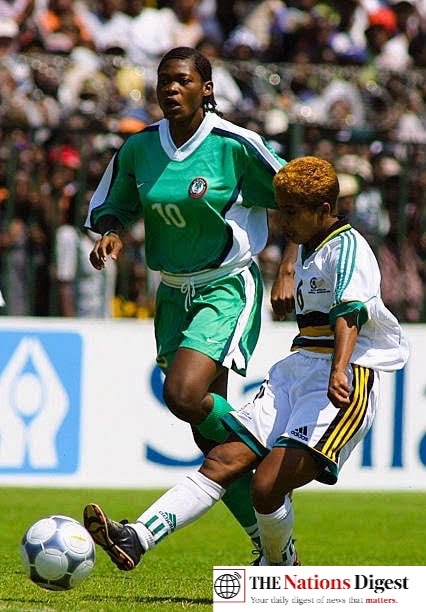
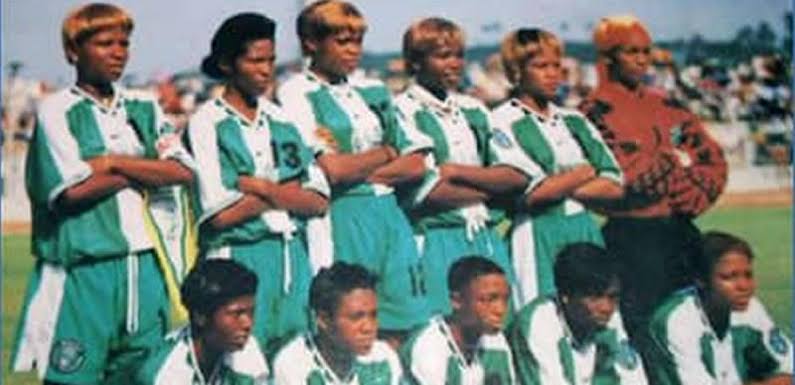
The Nigeria National Women’s Football Team, the Super Falcons, is built on generations of women who have represented the country with pride, courage and an unwavering commitment to the Nigerian badge.
For decades, these women have carried the colours of Nigeria across Africa and the world. They have won continental titles, competed at World Cups and Olympic Games, broken records and, most importantly, inspired generations of girls to believe that they too can represent their country through football.
But when these players retire from international football, is a digital tribute really enough?
After years of sacrifice, travelling, training, competing and carrying the expectations of an entire nation, Nigeria’s football icons deserve to be celebrated in a way that properly reflects what they gave to the country.
They deserve to hear the applause. They deserve to see the appreciation and they deserve to know, while they are still here, that Nigeria remembers what they did.
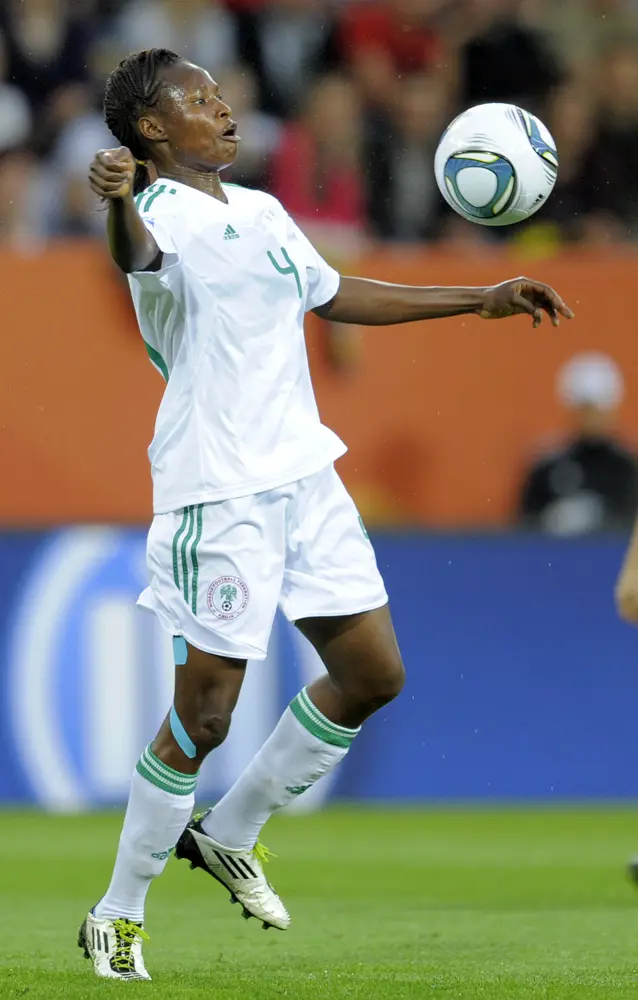
From the pioneering generation led by legends such as Mercy Akide and Perpetua Nkwocha, to Florence Omagbemi, Ayisat Yusuf and the generations that followed, the history of the Super Falcons has been written by women who repeatedly answered the national call.
Perpetua Nkwocha remains one of the greatest names in African women’s football. She scored 80 goals in 99 appearances for Nigeria and won five Women’s Africa Cup of Nations titles. At the continental tournament, she scored a record 34 goals between 2002 and 2014, a record that still stands. She also finished as the tournament’s leading scorer four times.
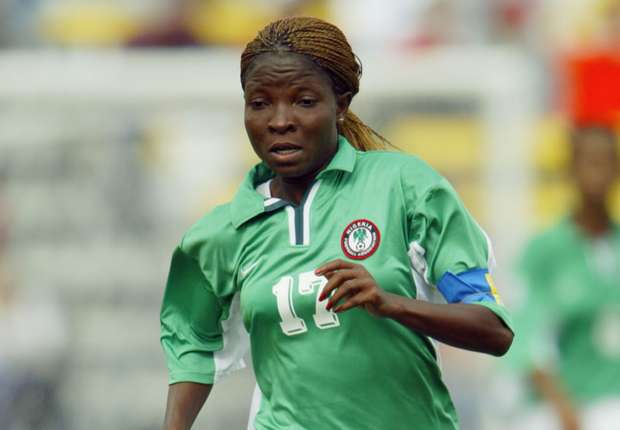
Then there is Florence Omagbemi, one of the most influential figures in the history of the Super Falcons. She won four continental titles as a player and later returned as head coach to lead Nigeria to the 2016 WAFCON crown, making her the only person to win the tournament as both a player and a coach.
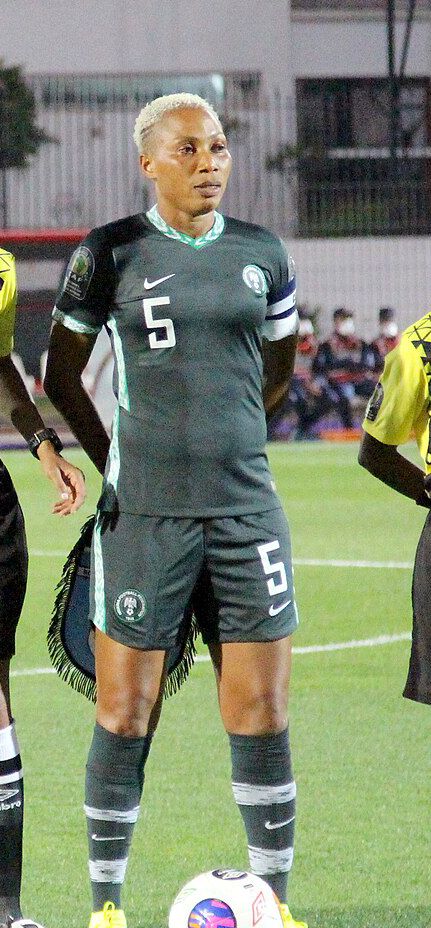
Onome Ebi created another extraordinary chapter. She made 109 appearances for Nigeria and became the first African player to feature at six FIFA Women’s World Cups, a record that placed her among the most remarkable players in the history of the global tournament. She also won four WAFCON titles with Nigeria.
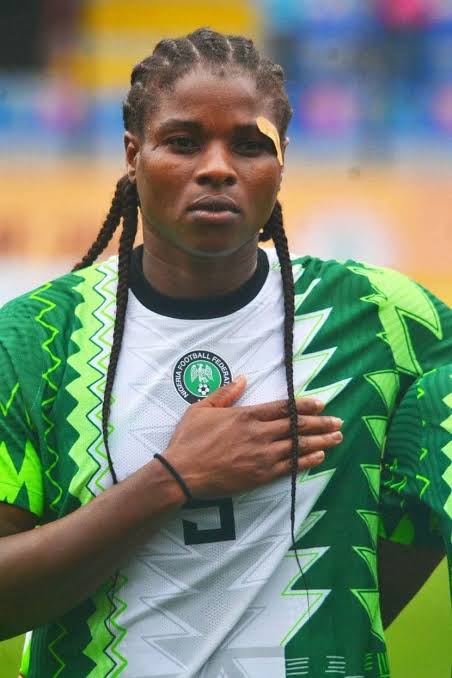
Desire Oparanozie represents another important part of that legacy. She won four WAFCON titles with the Super Falcons in 2010, 2014, 2016 and 2018, scored in major continental matches and established herself as a player capable of producing decisive moments on the biggest occasions. She also played at four FIFA Women’s World Cups and was part of the Falconets team that reached the 2010 FIFA U-20 Women’s World Cup final.
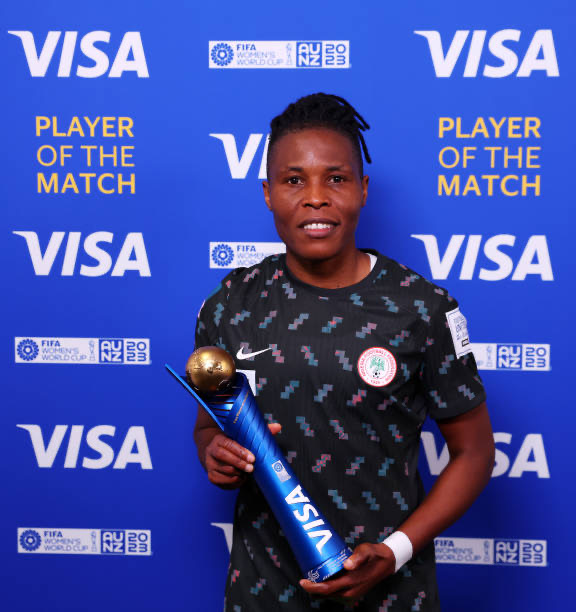
And the legacy continues with players such as Osinachi Ohale and Ifeoma Onumonu.
Ohale built one of the most decorated international careers in African women’s football before bringing her Super Falcons journey to an end after years of service to Nigeria.
Onumonu, meanwhile, represents another kind of sacrifice. Having represented the United States at youth level, she switched her international allegiance to Nigeria and went on to make her senior debut for the Super Falcons in 2021.
She eventually became part of Nigeria’s Olympic team in Paris in 2024 and wrote her name into history in November that year when she scored Nigeria’s first-ever goal against France in a 2–1 friendly defeat in Angers. The NFF itself described the goal as Nigeria’s first against Les Bleues.
These stories are bigger than statistics.
They are stories of women who left their families, careers and comfort zones to answer the call of their country.
They are stories of players who competed through difficult circumstances, travelled long distances, endured criticism and pressure, and continued to wear the Nigerian badge with pride.
Some stayed with Nigeria throughout their careers. Others, like Onumonu, made the decision to switch international allegiance because they wanted to contribute to the country they represented.
All of them contributed to the identity of the Super Falcons.
And their influence extends beyond the pitch.
The girls watching these players today are the same girls who may become tomorrow’s Super Falcons, coaches, referees, analysts, journalists and administrators.
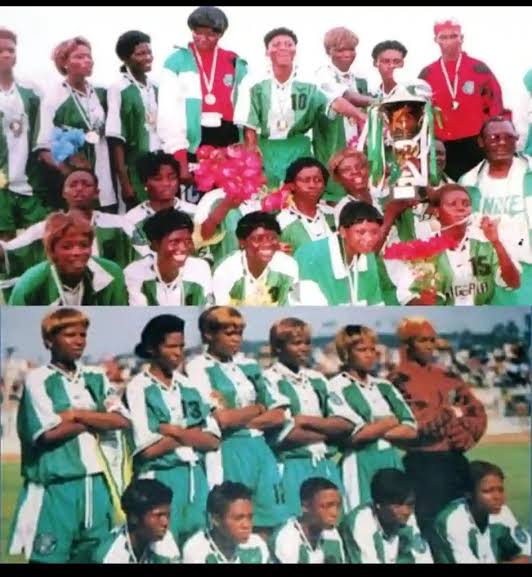
The legacy of these women is therefore not only measured by trophies, goals, appearances or records. It is also measured by the number of young girls who saw them and thought: “I can do this too.”
That is why retirement from the national team should not simply become a social-media post.
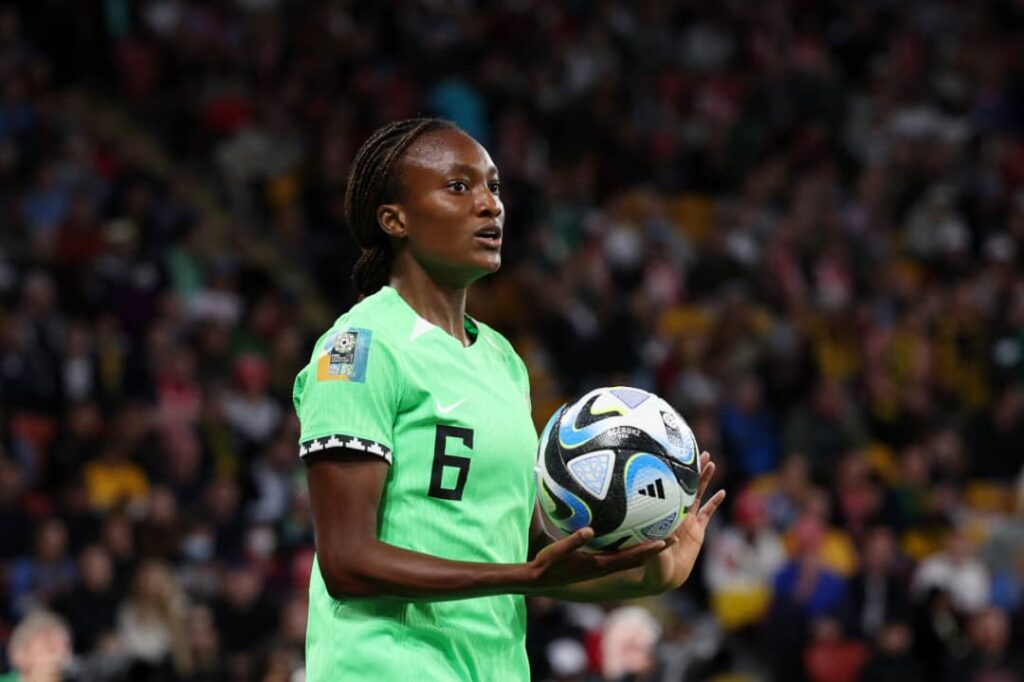
Nigeria should consider creating a proper tradition of honouring its Super Falcons legends—through official farewell ceremonies, recognition at international matches, commemorative honours, testimonials and permanent acknowledgement of their contributions to the national team.
A player who has given years of her life to Nigeria should not have to disappear quietly after her final appearance.
Celebrate her.
Let the stadium applaud her.
Let her teammates form a guard of honour.
Let young players stand beside her and understand whose shoulders they are standing on.
Let the country tell her: Thank you.
Because the Super Falcons we celebrate today did not appear from nowhere.
They were built by generations of women.
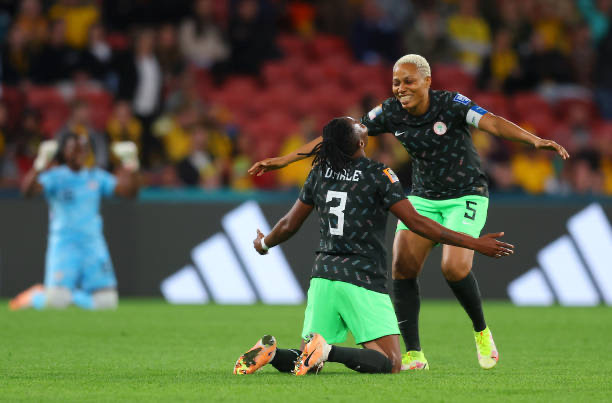
From the pioneers to the record-breakers, from the captains to the goal scorers, from those who lifted trophies to those who sacrificed without receiving enough recognition, each generation has added another chapter to Nigeria’s women’s football story.
And as the Super Falcons continue to grow, it is never too late to properly appreciate those who have carried the badge before.
Nigeria should not wait for history to become distant before celebrating the women who made it.
They served the badge. They carried the nation. They built the legacy. Now, Nigeria should give them the celebration they deserve.

A graduate of Federal Polytechnic Ede, she has built experience covering football leagues, tournaments, and major national news events across Nigeria.
She currently serves as the Media Officer of Ase Ridyem FC, where she oversees the club’s media and communication activities, helping to strengthen its digital presence and fan engagement.
Ayomikun is also a writer for SportsTheOfficial Blog and the face of SportsTheOfficial across its digital platforms, delivering sports news, exclusive interviews, and engaging stories that connect fans to the game.
With a strong passion for sports media and storytelling, she remains committed to building a successful career in sports journalism while contributing to the growth and promotion of sports in Nigeria.
- NBBF Appeal Committee Dismisses Petitions, Upholds Dr. Mustapha Abdullahi’s Presidential Election Victory - October 26, 2026
- Waka Football: Adelanwa Captains Nigeria to Historic Win Over Rwanda in Lagos - October 25, 2026
- President Tinubu Congratulates ECN Boss, Mustapha Abdullahi, on Election as Nigeria Basketball Federation President - October 17, 2026