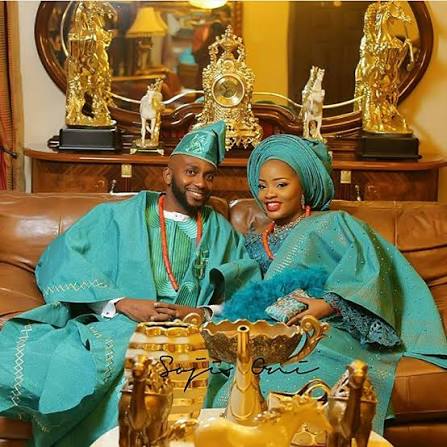
The recent engagement of Adaora, daughter of Anambra State Governor Chukwuma Soludo, to her partner, Arinze, in Morocco has once again sparked conversations around culture, tradition, and marriage choices in Nigeria.
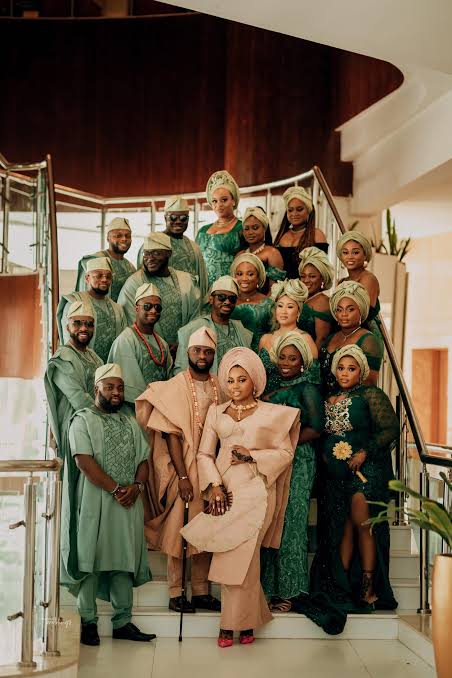
From their names and background, many people quickly identified them as being from the South-East region of the country. While love remains the foundation of marriage for many couples, cultural compatibility still plays a major role in relationship decisions, especially in African societies where family ties and traditions are deeply valued.
Across Nigeria and many parts of the world, a significant number of people still prefer to marry from within their ethnic group or cultural background. For some, it is a personal choice rooted in comfort and understanding, while for others, it is influenced by family expectations, traditions, and societal values.
One of the major reasons people marry within their culture is the ease of communication and understanding. Couples who share the same language, customs, and upbringing often find it easier to relate with one another and navigate daily life. Shared cultural experiences can reduce misunderstandings and create a stronger sense of connection between partners and their families.
Tradition and family expectations also play a huge role. In many homes, parents prefer their children to marry someone from the same ethnic group to preserve family heritage, values, and customs. This is particularly common in communities where cultural identity is strongly protected and passed down through generations.
Religion and belief systems are another factor. People from the same culture are more likely to share similar religious practices, moral values, and social expectations, making it easier to build a united family structure. Shared beliefs can influence decisions on parenting, celebrations, and everyday lifestyle choices.
Some people also believe marrying within their culture helps strengthen family bonds and community relationships. Since both families already understand each other’s traditions and marriage rites, the union process may be smoother and more accepted by relatives and elders.
In addition, cultural familiarity often brings a sense of comfort and belonging. Food, dressing, festivals, social behaviour, and even approaches to conflict resolution may already align, reducing the stress that can sometimes come with adapting to an entirely different cultural environment.
However, while many people prefer marrying within their culture, society is also becoming more open to intercultural marriages. Increased interaction, education, travel, and social media have brought people from different backgrounds closer, leading to more relationships that cut across ethnic and cultural lines.
Ultimately, marriage remains a deeply personal decision. Whether within the same culture or across different backgrounds, understanding, respect, compatibility, and love remain some of the most important ingredients for a successful union.

He also served as Deputy Editor at Sahara Reporters Sports and worked as Content Manager for the Nigeria Women Football League (NWFL), contributing significantly to sports journalism and digital content development in Nigeria.
Known for his strong storytelling ability and editorial expertise, Olayinka Olawole has covered a wide range of subjects, while also building a reputation in digital storytelling, audience engagement, and content optimisation for online and media platforms.
- South-West FA Chairmen Endorse Gusau for Second Term as NFF President - July 25, 2026
- Whyte Ogbonda Parts Ways with Bayelsa Queens After Successful Two-Year Spell. - July 23, 2026
- Adeleke’s Education Revolution Deepens as Governor Commissions Landmark Projects at UNILESA, Reaffirms Commitment to Human Capital Development. - July 14, 2026